
Carbon steel balls are precision spherical components widely used in industrial applications due to their strength, durability, and cost-effectiveness. These balls are manufactured from carbon steel, an alloy primarily composed of iron and carbon, with trace amounts of other elements. Their performance depends on the carbon content, heat treatment, and manufacturing process. This article explores the material properties, common grades, and key applications of carbon steel balls.
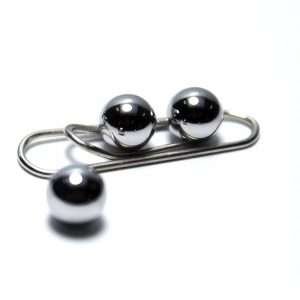
Carbon steel balls are made from carbon steel, which typically contains 0.05% to 2.1% carbon by weight. The mechanical properties of carbon steel balls are influenced by the carbon content and heat treatment processes such as quenching and tempering.
However, carbon steel balls are susceptible to corrosion and often require coatings (e.g., zinc, chrome, or nickel plating) for enhanced durability in harsh environments.
Common Grades of Carbon Steel Balls
Carbon steel balls are classified based on their carbon content and mechanical properties. The most widely used grades include:
1. Low Carbon Steel (Mild Steel) – ASTM A108
- Carbon Content: 0.05% – 0.25%
- Characteristics: Soft, ductile, and easy to machine.
- Applications: Low-stress applications such as drawer slides, conveyors, and decorative components.
2. Medium Carbon Steel – SAE/AISI 1045
- Carbon Content: 0.40% – 0.60%
- Characteristics: Balanced strength and toughness, often heat-treated for improved hardness.
- Applications: Bearings, automotive components, and machinery parts.
3. High Carbon Steel – SAE/AISI 1085
- Carbon Content: 0.95% – 1.10%
- Characteristics: Extremely hard and wear-resistant after heat treatment.
- Applications: Precision ball bearings, grinding media, and high-load mechanical systems.
4. Case-Hardened Carbon Steel
- Process: Surface hardening (carburizing) to improve wear resistance while maintaining a tough core.
- Applications: Gears, cam followers, and valve components.
Applications of Carbon Steel Balls
Due to their versatility, carbon steel balls are used across multiple industries:
1. Bearings and Automotive Systems
- High-carbon steel balls (e.g., AISI 1085) are essential in ball bearings for vehicles, industrial machinery, and aerospace applications.
2. Valve and Pump Components
- Used in check valves, flow control systems, and hydraulic pumps due to their pressure resistance.
3. Grinding and Milling Media
- Employed in ball mills for grinding minerals, pigments, and chemicals.
4. Bicycle and Machinery Parts
- Found in bicycle hubs, conveyor systems, and linear motion guides.
5. Consumer Goods
- Used in furniture sliders, casters, and locks.
Carbon steel balls are fundamental components in industrial and mechanical systems, offering an optimal balance of strength, hardness, and affordability. The selection of the appropriate grade depends on the application requirements, including load capacity, wear resistance, and environmental conditions. With proper heat treatment and coatings, carbon steel balls can perform reliably in demanding environments, making them indispensable in modern engineering.
Sprunki Incredibox is a brilliant twist on the original, offering fresh beats and visuals that keep the creativity flowing. If you’re into music and mods, don’t miss out. Check out more fun titles at Car Games!